Complete Tire Services:
- New tire sales for cars, trucks, SUVs, vans, and fleet vehicles
- Tires from leading manufacturers in a variety of sizes and styles
- Tire mounting and professional installation
- Computerized Road Force tire balancing
- Tire rotation
- Flat tire and puncture repair
- Tire pressure checks and adjustments
- Tire tread-depth and wear inspections
- Tire sidewall inspections
- Wheel alignment services
- Seasonal tire changeovers
- Tire recommendations based on vehicle specifications and driving needs
- Tire services for domestic, Asian, and European vehicles
Find the Right Tires for Your Vehicle
Use our online tire selector to explore tires that fit your vehicle. Search by year, make, model, and trim or enter your tire size to compare available options.
TIRE SELECTOR TOOL HERE
Need help choosing? Call Miller’s Tire & Auto Service at 423-283-4854 or visit our Johnson City shop for personal recommendations.
Current Manufacturer Rebates & Offers
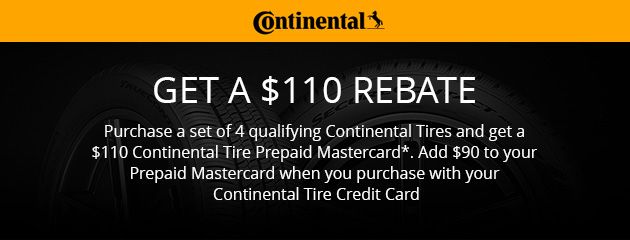
Tire manufacturers frequently offer limited-time rebates and special promotions. Explore the latest available offers below, then contact our team to confirm eligibility and schedule your tire installation.
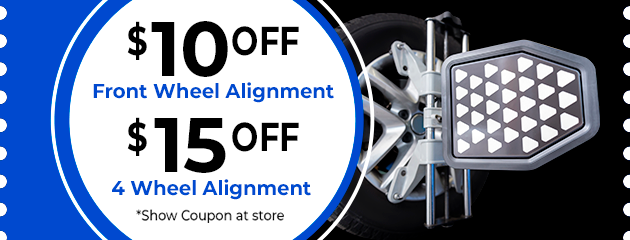
ALIGNMENT SPECIAL
Use this coupon in-store.
Limit one coupon per visit. Not valid with any other offers or discounts and must be published on our website when redeeming the coupon. See Miller's Tire & Auto Service for additional details.
Tire Sales:
Tires for Your Vehicle, Driving Style, and Budget
Miller’s Tire & Auto Service offers a broad selection of tires for passenger vehicles, trucks, SUVs, vans, and fleet vehicles. Our team can help you compare tire options based on your vehicle specifications, daily driving conditions, performance preferences, and budget.




Additional brands and tire models may be available. If you do not see the tire you need in our online inventory, contact our team for assistance.
Professional Tire Installation:
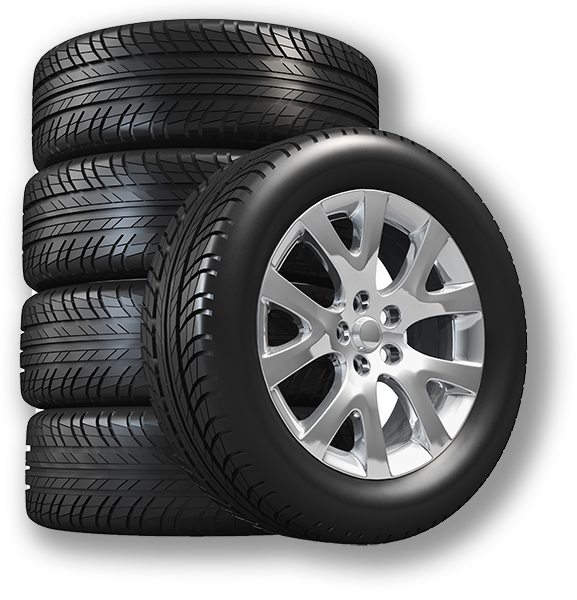
Proper installation helps protect tire performance, handling, and tread life. Our technicians use professional equipment to mount and balance your new tires correctly. We also inspect the wheels, tire pressure, and related components before returning your vehicle to the road.
When replacing fewer than four tires, placement can affect vehicle stability and handling. Our technicians will evaluate your existing tires and recommend the safest placement based on your vehicle and tire condition.
Tire Rotation and Balancing:
Routine tire rotation promotes more even tread wear and can help you get more life from your tires. Your vehicle’s recommended rotation schedule and pattern can be found in the owner’s manual.
Tire balancing helps distribute weight evenly around each wheel and tire assembly. If your tires are out of balance, you may notice vibration that becomes more pronounced at higher speeds. Tires should be balanced when first installed and whenever they are remounted or begin producing noticeable vibration.
Tire Repair:
A puncture does not always mean the tire must be replaced. Our technicians will inspect the location and extent of the damage to determine whether the tire can be repaired safely.
Damage to the sidewall, shoulder, or an area affected by driving while underinflated may make replacement necessary. We will explain what we find and recommend the appropriate solution.
Wheel Alignment:
Proper wheel alignment supports vehicle stability, predictable handling, fuel efficiency, and even tire wear. Potholes, curbs, worn suspension components, and everyday driving can gradually move your wheels out of alignment.
You may need an alignment if:
- Your vehicle pulls to one side
- Your steering wheel sits off-center
- Your tires wear unevenly or rapidly
- Your vehicle feels unstable or difficult to control
- You recently hit a pothole or curb
- Suspension or steering components were replaced
Miller’s Tire & Auto Service uses Hunter alignment equipment to measure and adjust your vehicle’s alignment to the appropriate specifications.
Are your tires safe?
Five Minutes Can Reveal a Lot
Your tires directly affect traction, handling, braking, fuel efficiency, and overall vehicle safety. Our technicians inspect tire pressure, tread depth, wear patterns, sidewalls, and visible damage to help determine whether your tires are ready for continued use.
Tire condition should be evaluated based on tread depth, age, damage, weather conditions, vehicle requirements, and driving habits. A tire may need attention even if some tread remains.
Understanding Tire Tread Depth
A professional tread-depth measurement provides the most accurate assessment of your tires.
- 5/32 inch or greater: Tread depth is generally still serviceable, assuming there is no damage, unusual wear, or age-related deterioration.
- 4/32 inch: Begin monitoring closely. Wet-weather traction may be reduced.
- 3/32 inch: Plan to replace the tires soon, particularly if you regularly drive in rain or other challenging conditions.
- 2/32 inch or less: The tire has reached the minimum legal tread depth in many jurisdictions and should be replaced immediately.
The Quarter Test
Insert a quarter into the tire tread with George Washington’s head facing downward. If the tread reaches the top of Washington’s head, approximately 4/32 inch of tread remains. If it does not, have the tire professionally inspected and begin planning for replacement.
This quick check does not replace a complete inspection, particularly if the tire has uneven wear, cracks, bulges, punctures, or sidewall damage.
Tire Care Tips
Check Tire Pressure Monthly -Check your tire pressure when the tires are cold and before long trips. Underinflation can contribute to excess heat, uneven wear, reduced fuel efficiency, poor handling, and tire failure. Use the recommended pressure listed on the vehicle information label, not the maximum pressure printed on the tire.
Follow the Recommended Rotation Schedule - Regular tire rotations help equalize tread wear. Follow the schedule and rotation pattern in your owner’s manual. Rotation cannot correct wear caused by damaged or worn mechanical components.
Balance Tires When Necessary - Vibration at certain speeds may indicate an out-of-balance tire or another tire, wheel, steering, or suspension problem. Have the vehicle inspected rather than assuming balancing is the only issue.
Inspect Tires Regularly - Look for punctures, embedded objects, cracks, bulges, cuts, and unusual wear. Check the inner and outer tread edges, where wear caused by misalignment or improper inflation may be less noticeable.
Keep Your Spare Ready - If your vehicle has a spare tire, inspect it periodically and make sure it is properly inflated and accessible.
Store Seasonal Tires Properly - Store tires in a cool, dry, dark location away from direct sunlight, moisture, solvents, oils, grease, and ozone-producing electrical equipment.
Trust Your Tires to Miller’s
Dependable Tire Care Since 1987
Miller’s Tire & Auto Service helps drivers throughout Johnson City, Jonesborough, Elizabethton, Gray, and surrounding Tri-Cities communities choose, maintain, and repair their tires. Trust our ASE-certified technicians to inspect your tires, explain your options, and help keep your vehicle safe and dependable.